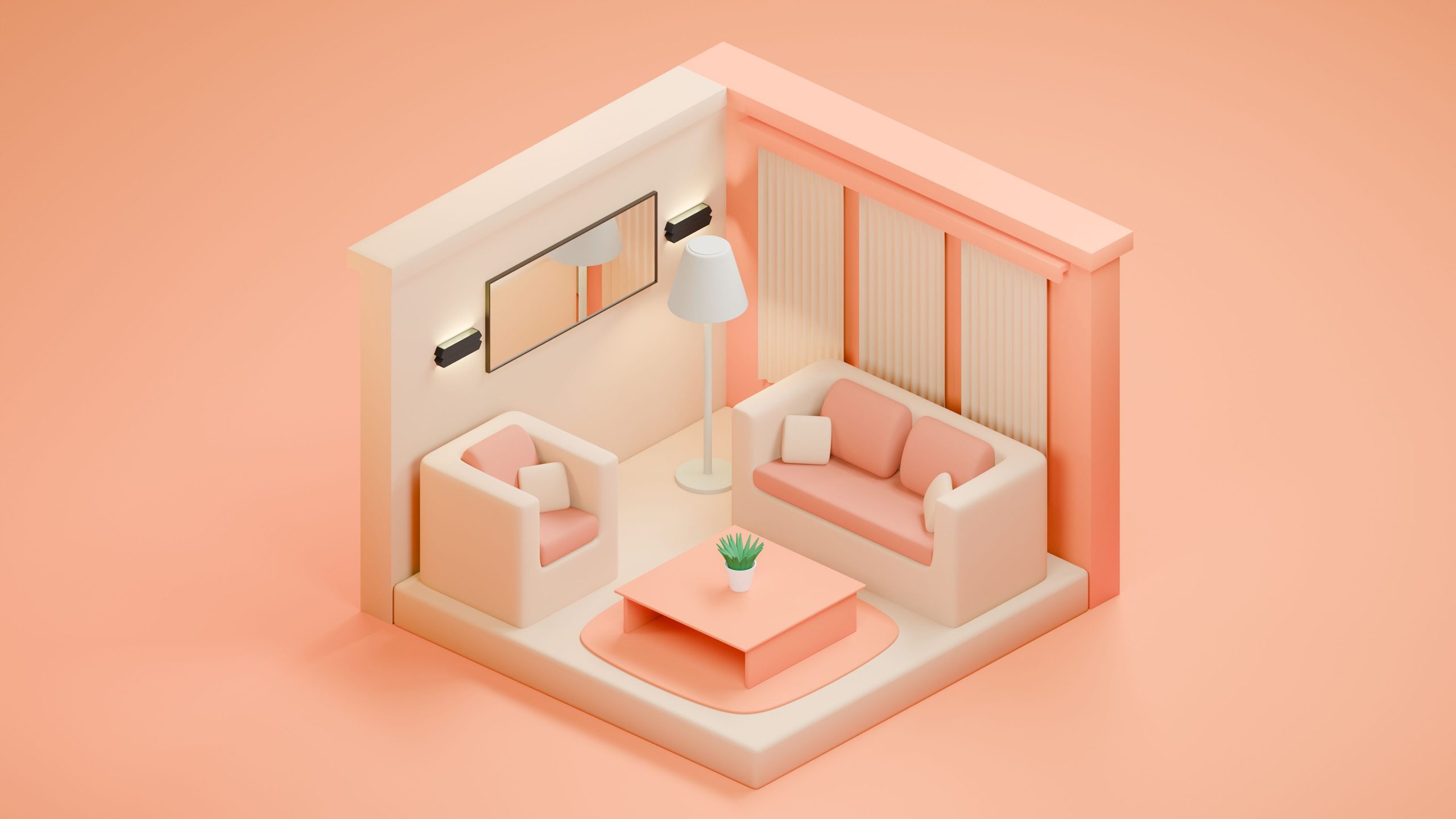
Twelve practical small living room ideas for furniture placement, lighting,
storage and visual balance.
A small living room can feel comfortable and open without knocking down a wall. The
biggest improvements usually come from circulation, storage and lighting rather than
buying smaller versions of every piece of furniture. Use these twelve ideas as a menu:
choose the ones that solve the problems in your particular room.
- Measure the paths people actually walk
Sketch the room, marking doors, windows, outlets and radiators. Leave practical
routes between the entrance, sofa and other frequently used areas. A layout that looks
perfect in a photograph may fail if people have to squeeze past a coffee table every
day. - Choose a sofa that fits the wall
A sofa that’s too deep can dominate a narrow room. Compare depth as well as width
and tape its footprint on the floor before ordering. A compact two- or three-seat sofa
may create more usable space than a large sectional, but keep the seating you
genuinely need. - Try furniture with visible legs
Raised legs let more floor remain visible, making some pieces feel lighter. This works
especially well for sofas and sideboards. Check stability and load ratings; appearance
should never outweigh practical support. - Replace a bulky coffee table
Two nesting tables, a small round table or an upholstered ottoman with a stable tray
can free up movement space. Rounded edges may also be easier to navigate in a tight
layout.
- Use vertical storage thoughtfully
Tall, narrow shelving uses less floor area than a wide cabinet. Secure tip-prone
furniture to the wall according to manufacturer instructions, particularly in homes
with children or pets. Mix closed storage with a little open display to avoid visual
clutter. - Hang curtains higher, when practical
Mounting curtains above the window and extending the rod slightly beyond the
frame can create a taller-looking opening. Check the wall, bracket strength and
clearance before installation. Lightweight curtains let daylight in while offering
privacy. - Add more than one light source
A ceiling light alone can leave dark corners. Combine it with a floor lamp or table
lamp near the seating area. Choose bulb color temperatures that work together, and
position cables to avoid trips. - Use a mirror to reflect light
A mirror across from or beside a window can brighten part of the room. Avoid
placements that reflect unpleasant glare or interfere with television viewing. Mount
larger mirrors securely using appropriate hardware. - Keep the palette connected
You don’t need an all-white room. Choose a main background color, a coordinating
furniture tone and a restrained accent color. Repeating those tones on cushions, art
and storage helps a small room feel coherent. - Scale the rug to the seating
A tiny rug can make furniture look disconnected. Try a rug wide enough to visually
relate the sofa and chairs, ideally with at least the front legs resting on it where
practical. Use a suitable nonslip pad. - Give frequently used objects a home
Remote controls, chargers and magazines cause daily clutter. A drawer, lidded basket
or slim side table keeps them close without leaving everything exposed. Put storage
where the habit happens rather than across the room. - Edit the decor, not the personality
Keep meaningful photographs, handmade objects and books. Simply give each group
a little breathing space. Three related objects often read more clearly than ten
unrelated accessories spread across every surface
A quick weekend reset
Start by removing items that don’t belong in the living room. Measure, rearrange
existing furniture and live with the new layout for a few days. Only then decide
whether a purchase would genuinely help. Moving one chair or lamp can improve a
room more than buying an expensive storage system.
Frequently asked questions
Should all furniture be small in a small living room?
No. One properly proportioned sofa can look calmer than several undersized chairs.
Prioritize flow and actual seating needs.
Are dark paint colors a bad idea?
Not necessarily. Dark shades can feel cozy and intentional when lighting and contrast
are handled well. Test a sample in morning and evening light.
What’s the fastest low-cost improvement?
Clear walking paths, group loose items into storage and adjust lamp positions before
shopping.