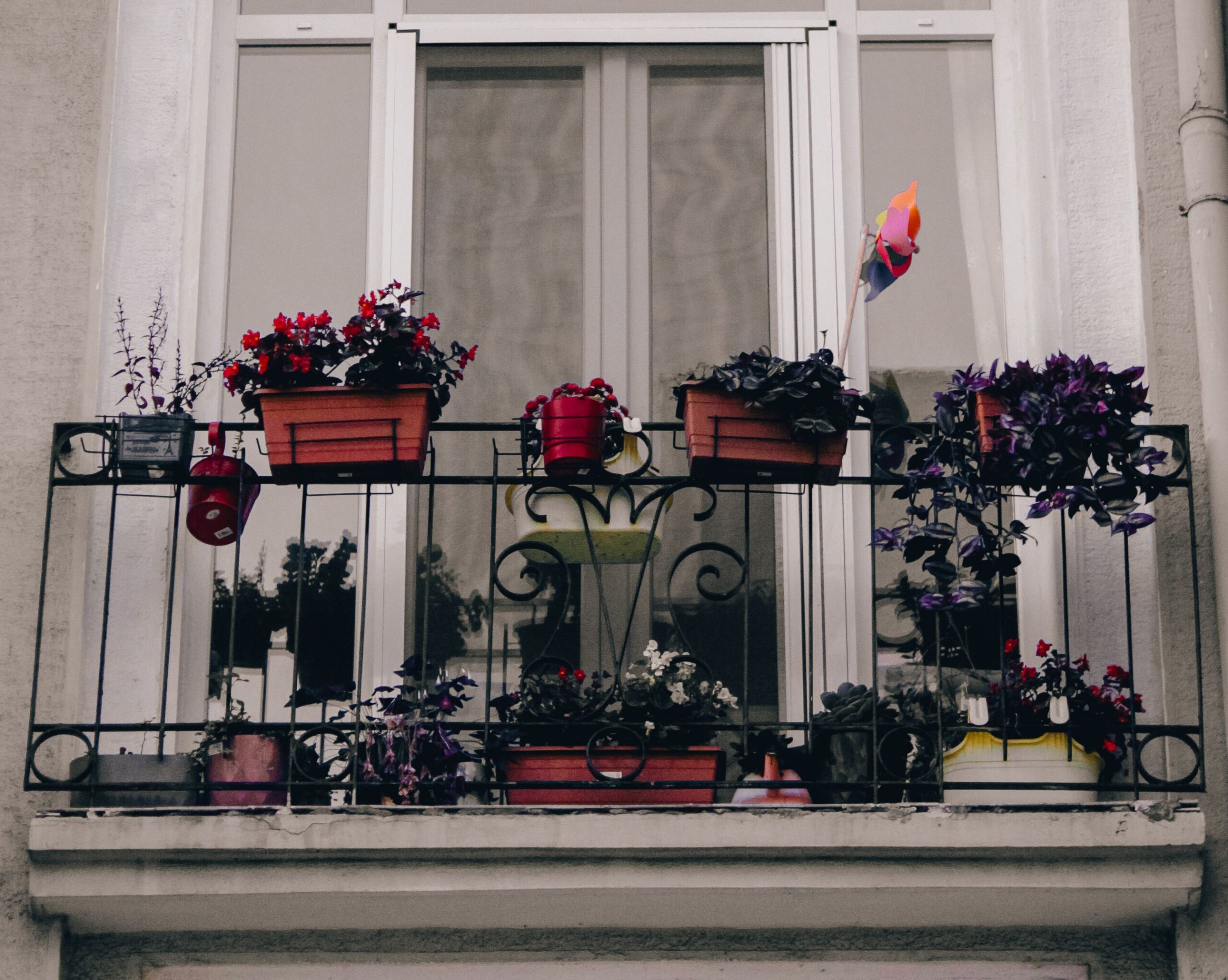
Ideas for arranging a small balcony with practical seating, plants, lighting
and weather-resistant materials.
A small balcony can become a pleasant spot for morning coffee or an evening break,
even when there is room for only one chair. The key is to treat it as an outdoor room
with real limits: wind, rain, sun, drainage and building rules matter more than a
perfect photo.
Check the basics first
Before shopping, review any lease or building rules about furniture, planters, screens
and attachments to railings. Never obstruct exits, drainage points or access needed for
maintenance. Respect the balcony’s posted load limits and ask building management
about any uncertain structural or waterproofing issues. Avoid drilling into waterproof
membranes without authorization.
- Measure your usable footprint
Measure the balcony with the door fully open. Mark the area that must stay clear for
the door swing and movement. A narrow balcony may work best with one slim chair
and a small table rather than a full outdoor set. - Pick foldable furniture
A folding chair or compact bistro set can offer seating without permanently
consuming the whole floor. Choose outdoor-rated, stable furniture that won’t tip in
wind. Store or secure lightweight pieces during storms. - Try one vertical plant stand
A narrow freestanding stand can hold several small containers without taking much
floor space. Place heavier pots near the bottom and keep the stand stable. Never place
unsecured pots where they could fall from a balcony. - Choose plants for the actual conditions
Observe how much direct sun reaches the space. Shade-loving plants may struggle on
an exposed south-facing balcony, while sun lovers won’t thrive in deep shade. Check
mature size, watering needs and whether plants are safe for household pets. - Use lightweight, weather-ready textiles
An outdoor cushion can make a simple chair feel inviting. Choose fabric designed for
outdoor use and bring it inside during prolonged wet weather. An outdoor rug may
work if it allows drainage and can dry completely beneath it. - Keep lighting simple and safe
Outdoor-rated, battery-powered or solar lights can provide ambience without
permanent wiring. Follow manufacturer instructions and avoid extension cords or
indoor electrical products exposed to rain. In windy settings, secured lantern-style
lights may be easier than loose string lights. - Add privacy without blocking airflow
Freestanding plant groupings or a screen approved by building management can
soften the view. Solid screens may catch wind, so do not attach anything to railings
unless it is permitted and engineered for the location. - Make storage earn its footprint
A small outdoor-rated box might double as a side table if the manufacturer approves
that use. Keep cushions dry and avoid storing flammable products or items that block
escape routes. - Keep the palette simple
Choose two main colors and one accent. Repeating them through pots, textiles and
furnishings makes a compact area look coordinated rather than crowded. - Finish with a daily-use ritual
A place for a mug, a plant you enjoy tending or a comfortable reading chair may
matter more than decorative accessories. Design for how you’ll really use the space.
A realistic shopping order
First confirm safety and clearance, then buy seating. Add a table only if it fits.
Introduce plants gradually and finish with a cushion or light. This order avoids
building a display that looks beautiful but is inconvenient to use.
Frequently asked questions
What if my balcony gets strong wind?
Prioritize sturdy furniture, low plants and secure storage. Avoid loose accessories and
anything attached to railings without approval.
Can I use an indoor rug outside?
Usually it is better to use an outdoor-rated product so moisture can dry and the
material is less likely to deteriorate.
How do I decorate without drilling?
Try freestanding furniture, stable planters, outdoor cushions and battery-operated
lights, provided they comply with building rules.