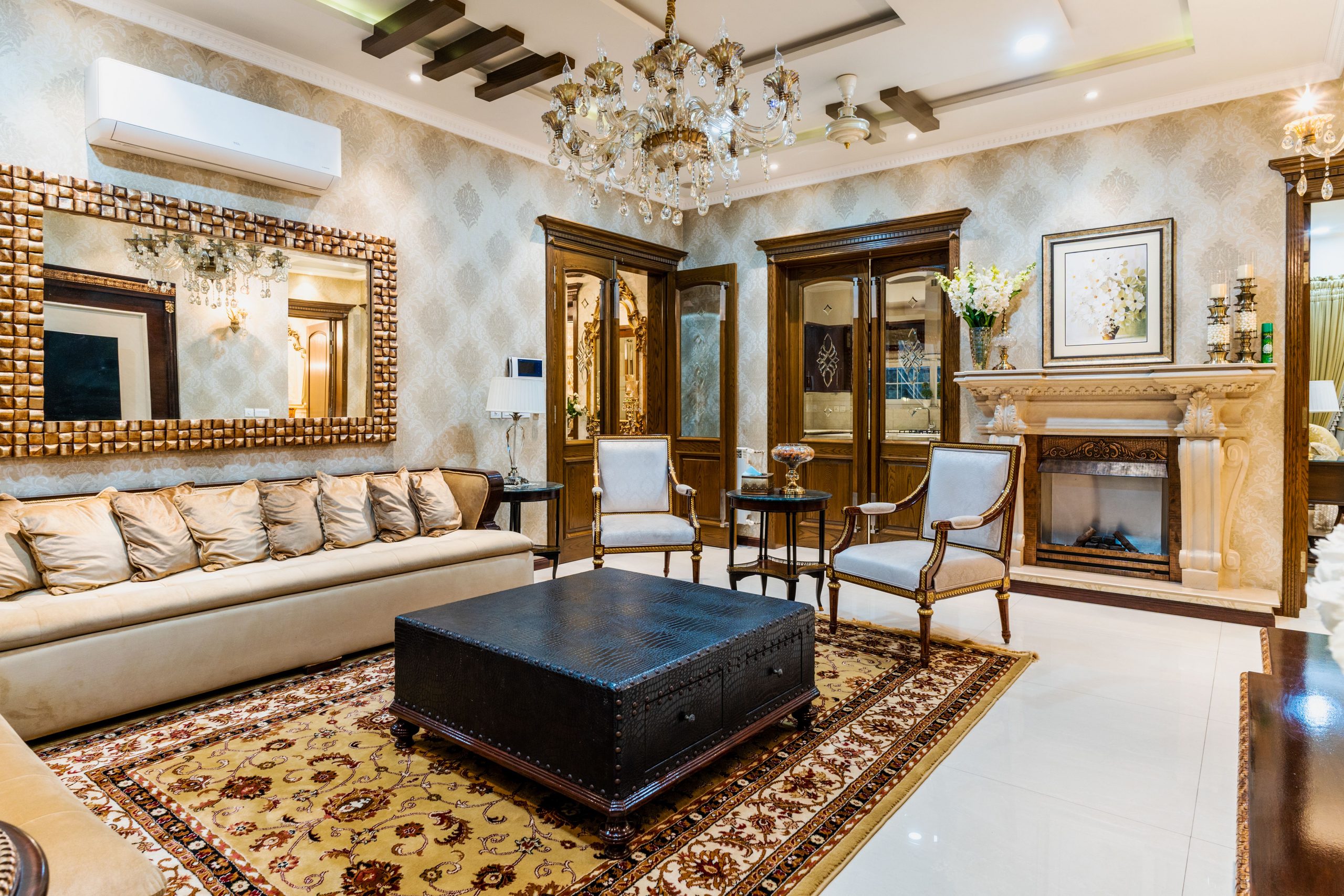
Simple, budget-conscious home styling upgrades that improve lighting,
proportion and organization.
A polished home usually feels thoughtful rather than expensive. Proportion, good
lighting and tidy surfaces often have more impact than a premium brand label.
Instead of replacing everything, try these ten improvements in the rooms you use
most.
1. Choose a consistent palette
Pick one dominant neutral, a secondary tone and an accent. Repeat them in textiles
and smaller objects. Consistency creates a visual connection between furniture that
may have been purchased years apart.
2. Improve the lighting layers
Combine general room lighting with task lighting and a softer accent lamp. Replace
harsh or mismatched bulbs with appropriately rated options that have compatible
light output and color temperature. Never exceed fixture ratings.
3. Use curtains that fit properly
Curtains that skim the floor, hang evenly and have enough fabric width can look more
finished than poorly fitted expensive ones. Measure carefully before purchasing and
make sure hems stay clear of heating equipment.
4. Edit shelves and countertops
Put daily necessities into practical storage. Leave some surfaces clear and group small
decor into purposeful arrangements. A little negative space makes individual pieces
easier to appreciate.
5. Change simple hardware where compatible
Replacing worn cabinet knobs can refresh a kitchen or dresser. Measure existing hole
spacing and check fit before buying. Keep the original parts if you rent and may need
to restore them later.
6. Add one substantial artwork
One well-positioned print or handmade artwork can anchor a room. Measure the wall
and furniture beneath it so the piece feels proportional. Use secure hanging methods
appropriate to the wall and artwork’s weight.
7. Mix textures instead of patterns everywhere
Try cotton, linen, wood, stone-look ceramics or a woven basket. Texture adds depth
within a restrained color palette. Choose materials that suit your household’s cleaning
needs.
8. Refresh tired finishes
A careful paint job on a small table or picture frame can make old items feel
coordinated. Clean and prepare surfaces properly, and follow coating safety
instructions. Avoid disturbing old coatings that may contain lead or other hazards
9. Use larger decor objects sparingly
A medium vase and one stack of books can make a stronger statement than many tiny
ornaments. Vary heights and keep arrangements stable, particularly on narrow
furniture.
10. Maintain the details
Clean windows, properly hung curtains, functional doors and organized cables subtly
improve a room’s overall appearance. Repairing something broken is often a better
investment than buying another accessory
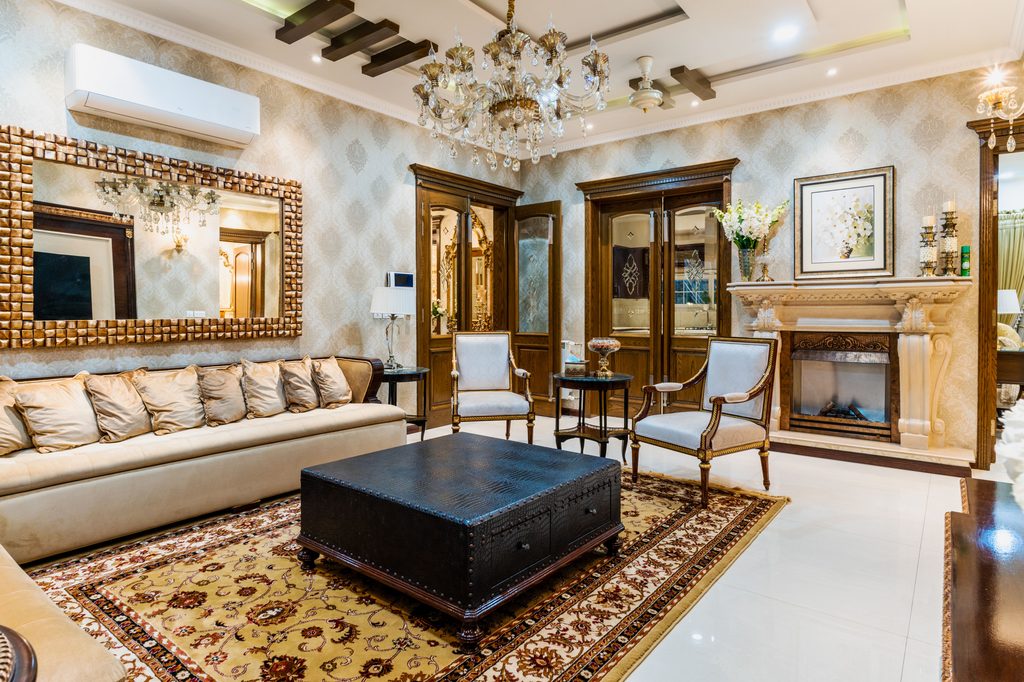
What to spend on first
Work from the biggest annoyance to the smallest. If the room is dim, address lighting.
If it feels chaotic, improve storage. If it feels unfinished, focus on curtains or artwork.
Buying accessories without identifying the problem can waste money.
What not to mistake for luxury
A luxurious appearance does not require fragile materials or an impractical white
sofa. A room needs to accommodate pets, children, guests and daily routines.
Durability, ease of cleaning and comfort matter just as much as styling.
Frequently asked questions
Do I need matching furniture?
No. Matching materials, proportions or colors in a few places can create cohesion
even with mixed furniture styles.
What’s the most noticeable low-cost change?
Improved lighting or better-organized surfaces often make a difference immediately.
Can a colorful home look luxurious?
Yes. Rich colors can look sophisticated when the palette is controlled and the overall
composition is balanced.