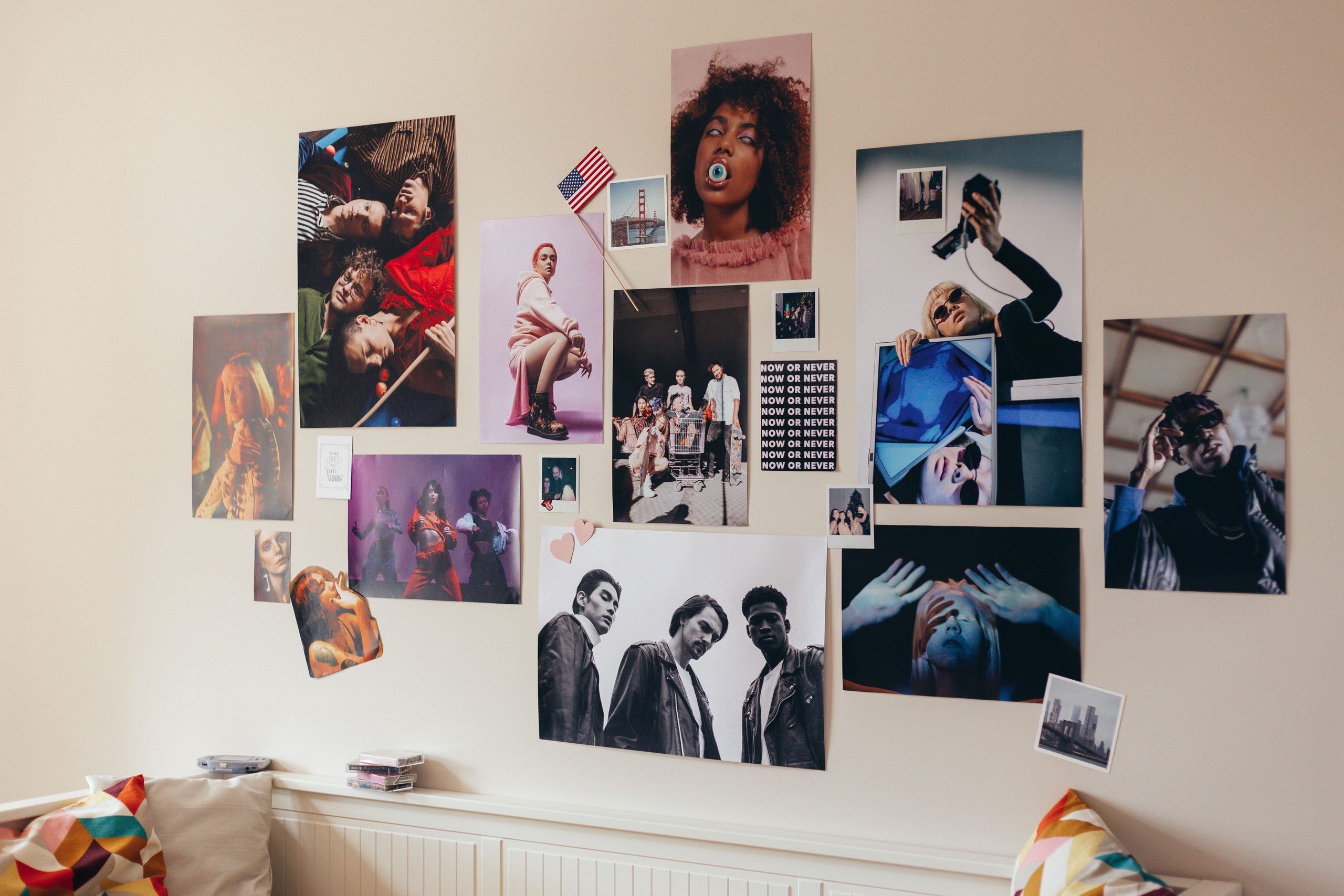
Fifteen approachable handmade wall art projects using paper, fabric, paint
and natural textures.
Blank walls offer an opportunity to make something personal. You do not need
advanced drawing skills or a large art budget: simple shapes, carefully selected colors
and a consistent frame style can make handmade work feel intentional. Here are
fifteen ideas, from quick paper crafts to more involved textured projects.
Start with the wall, not the craft supplies
Measure the available area and look at the colors already in the room. Decide whether
you need one focal piece or several smaller artworks. Make a paper template in the
intended size and tape it to the wall before buying materials. This prevents a common
problem: creating beautiful work that is much too small for its location.
- Minimal line drawing
Use black ink or a fine art marker to draw a simple flower, face or abstract contour on
heavyweight paper. Practice first, then frame the cleanest version. - Torn-paper collage
Tear colored paper into organic shapes and arrange them before gluing. A limited
palette helps the result feel cohesive. - Painted color blocks
Mask geometric areas on a small canvas or heavy painting paper, then fill them with
two or three complementary colors. Remove tape carefully while following the paint’s
instructions. - Framed fabric scraps
Stretch a piece of textured linen, cotton or patterned fabric over acid-free backing.
This is a useful way to display a beloved textile without sewing. - Pressed botanical composition
Dry suitable leaves or flowers thoroughly, then arrange them on archival paper
behind glass. Avoid trapping damp plant material inside the frame. - Simple embroidered hoop art
Stretch fabric in an embroidery hoop and stitch a small plant silhouette, abstract line
or initials. Finish the back neatly and hang the lightweight piece securely. - Painted wooden shapes
Cut pre-sized craft wood shapes are a beginner-friendly alternative to using power
saws. Paint them and arrange them inside a deep frame or on a backing panel. - Watercolor washes
Paint broad, translucent washes on watercolor paper, letting each layer dry before
adding the next. A restrained two-color combination can be especially effective. - Homemade typography print
Choose a short original phrase, arrange it with generous spacing in a design tool and
print it on quality paper. Use your own wording rather than reproducing copyrighted
artwork or graphic designs. - Textured canvas
Use artist-grade acrylic texture medium on a prepared canvas to create ridges and
arcs. Allow it to dry fully before painting. Avoid applying household construction
compounds to artwork unless their safety and compatibility are established. - Paper weaving
Cut strips of colored paper and weave them over and under one another. Mount the
finished design behind glass to protect the edges. - Simple block-print pattern
Carve a design into a suitable beginner block using proper cutting precautions, or use
a ready-made stamp. Repeat it across paper to create a rhythmic pattern. - Map-inspired abstract art
Draw your own simplified shapes inspired by the streets of a meaningful
neighborhood. Keep the result original and avoid copying a protected map design. - Painted ceramic tiles
Use tile-compatible craft paint or markers for decorative tiles, then mount or display
them with a support appropriate to their weight. These pieces are decorative unless
the coating is specified for functional tile use. - A coordinated three-print series
Make three small artworks using the same paper, colors and frame finish. Their
repeated visual language often looks more polished than one oversized, rushed piece.
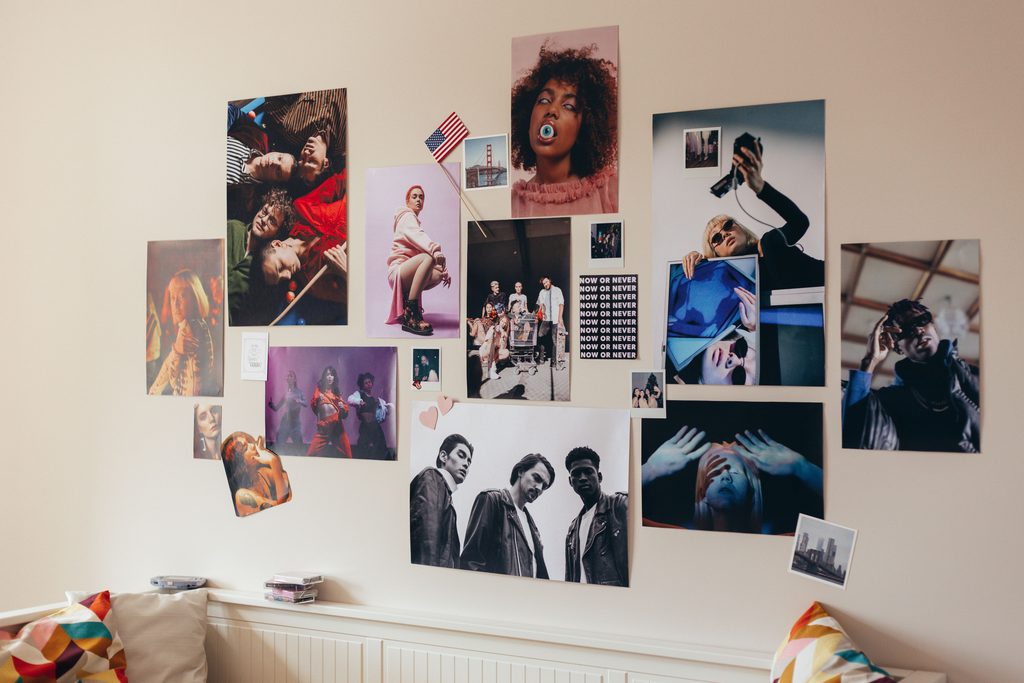
How to arrange your finished art
Lay everything on the floor before hanging. Check spacing from a normal viewing
distance. Use a level and hanging hardware appropriate for the wall and weight.
Heavy art should not be placed above beds or seating without especially secure
installation.
Frequently asked questions
What’s the cheapest DIY wall art idea?
A line drawing, paper collage or original typography print can often be made with
basic supplies already at home.
Do handmade pieces need matching frames?
Not necessarily. Similar finishes or consistent mats can bring different frame styles
together.
How can I make art look less like a school project?
Leave clean margins, use good paper, reduce the number of colors and spend time on
framing and placement.